If there is one thing that defines Moose Jaw’s tourism strategy, it is resilience. After a wet, sluggish June put a significant damper on the beginning of the summer season, the local tourism industry has experienced a remarkable turnaround. July did more than just provide better weather; it breathed new life into the city’s economy, proving that Moose Jaw continues to successfully market itself as a destination rather than just a highway pit stop.
According to Donna Fritzke, Director of Moose Jaw Tourism, the rebound has been both swift and substantial.
“In July, 1,500 more visitors came than the previous year,” Fritzke says. “Visitor numbers are up, and we have a lot of Americans this year enjoying the [favorable] Canadian dollar.”
The economic impact of this surge is significant. Tourism spending in Moose Jaw has reached an impressive $138 million, representing a 3.8 per cent increase across hotels, restaurants, and local businesses.
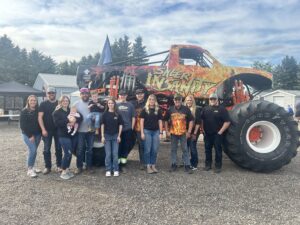
A major catalyst for this success has been the city’s ability to attract and host large-scale events. The Western Canadian Nationals Car Show at the Anderson Auto Group Field stands out as the highlight of the summer, drawing nearly 3,000 attendees. As Fritzke notes, the value of such events extends far beyond ticket sales. When visitors come for a car show, they fuel up, dine out, shop downtown, and stay in local hotels. That ripple effect is where the real economic payoff begins for the community.
But why are they staying? According to Fritzke, the feedback from visitors has been “absolutely incredible.”
“We have so much to offer here; there is something for everyone,” she explains. The city’s identity—built on heritage, the Tunnels, the Temple Gardens Mineral Spa, and the historic downtown are part of Moose Jaw’s appeal.
This summer, visitors traveled from all corners of the continent. Fritzke shares the story of visitors from Mexico who made the trip specifically seeking out toboggans because they wanted to go tobogganing, Closer to home, a couple from Alberta dropped into the visitor’s center, liked the community so much that they returned every single day to the centre to learn more, essentially treating Moose Jaw as the home base for their holiday.
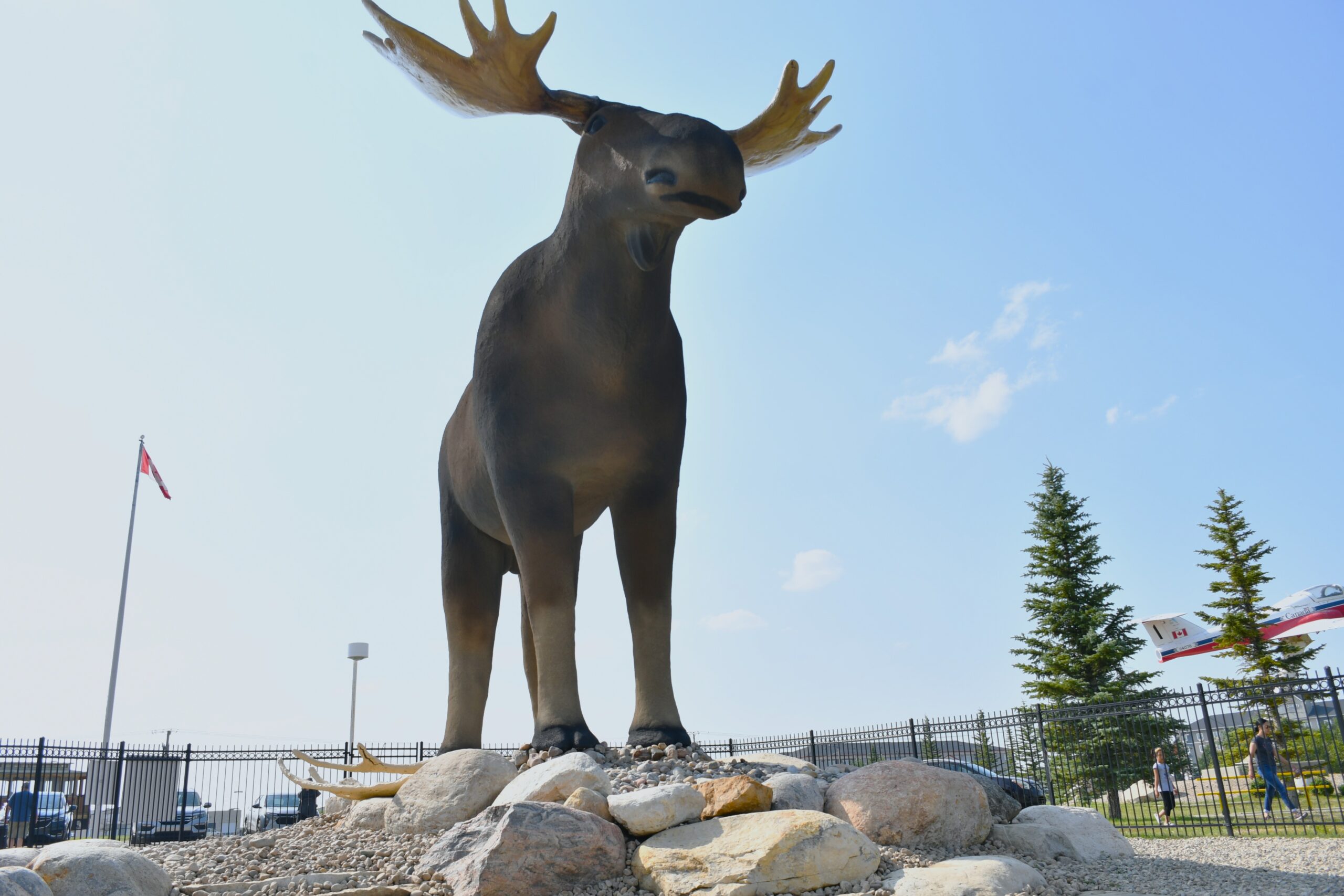
“Mac the Moose is also a big draw,” Fritzke adds. “People driving down the highway see Mac, the largest moose in the world and the Snowbirds jet in front of the Visitor’s Centre, and they just want to stop and have a picture taken.”
As the calendar turns toward September, Fritzke says the tourism dynamic will shift, as it does every year. The demographic moves toward an older, retired audience—visitors who often prefer to travel once the summer rush of families and children is over.
Despite the changing season, the momentum is expected to continue. Tour buses are returning to the schedule, with two more expected this fall. The iconic trolley tours will continue running until the end of October, providing a classic Moose Jaw experience that remains exceptionally popular. The “True Crime” trolley tour, which relays stories of early 1900s criminal history, has been a standout success, described by Fritzke as feeling like “listening to a podcast.”
The challenge of running these tours during the summer heat has been real, but the the staff and the enthusiasm of the visitors keep the wheels turning.
For a city that has spent years refining its identity, the strong July numbers provide clear evidence that the strategy is working. Getting travelers off the Trans-Canada Highway and into our historic streets is the first victory. Encouraging them to stay overnight, spend locally, and plan a return trip is where the city is truly finding its momentum.
As Fritzke says, Moose Jaw is a unique community, one that people aren’t just driving through, but one that they are eager to explore. Whether it’s the tunnels, the history, or a photo with Mac the Moose, the city is proving that it is a destination worth stopping for.
By Joan Ritchie
Moose Jaw Express