For most people looking through the window of a martial arts school, it might appear to be all about kicks, punches, belts, forms and learning how to defend yourself.
But spend some time inside Douglas Martial Arts in Moose Jaw and it becomes apparent that something else is being taught alongside the physical skills, important things like personal development And equally as important is a sense of belonging.
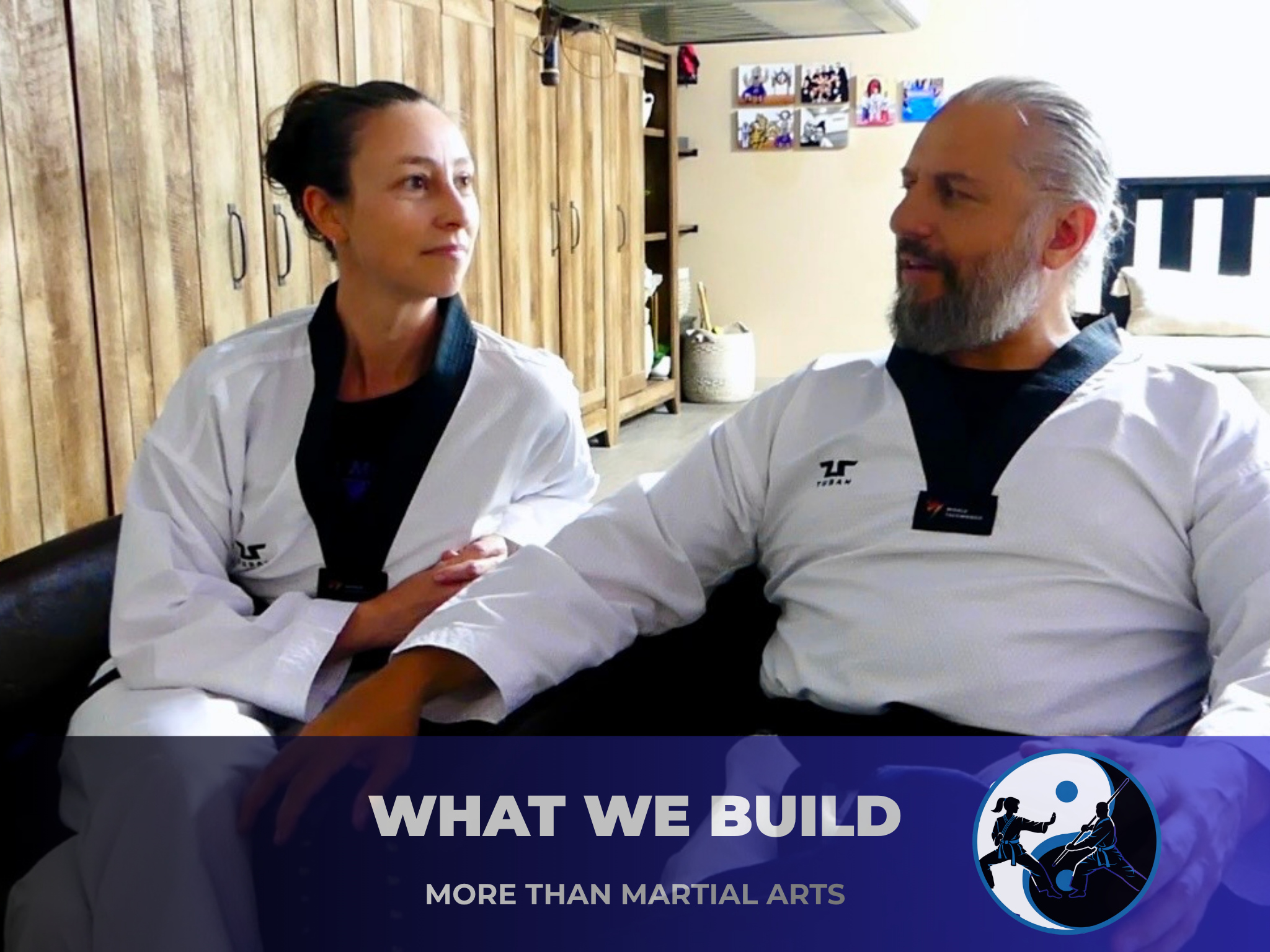
That is the message behind What We Build, a new short film released by Nathan Douglas of Douglas Martial Arts. Featuring local students, parents and instructors, the film looks beyond Taekwondo techniques and belt rankings to tell the story of the community that has developed inside the school.

“The primary inspiration behind the title comes from the idea that we build more than just martial artists,” Douglas explained. “While we teach Taekwondo and weapons, Sarah and I realized over the years that we are most proud of helping people build confidence, friendships, leadership, and a sense of belonging. We have seen kids grow up in our school and eventually become instructors and role models for others.”
For Nathan and Sarah Douglas, those changes are not abstract ideas. They have watched them happen.
Some students first arrived as shy children who were nervous simply stepping onto the training floor. Years later, those same students are teenagers or young adults helping teach classes and encouraging younger students who may be experiencing exactly the same nervousness they once felt.
“We’ve had students and their parents approach us about how their children now walk and talk more confidently not just at our martial arts school, but also at home, with their friends, and socially,” Douglas said.
It is one of the reasons What We Build became more than simply a promotional video.
During filming, Douglas said he and Sarah were particularly affected by hearing their instructors speak openly about their own experiences.
“Sarah and I were deeply moved by our instructors’ openness and vulnerability on camera,” he said. “Hearing them share their personal stories, how the school changed them, and how attending classes and teaching has impacted their lives was a truly touching moment for us.”
Douglas has lived in Moose Jaw for most of his life and began practising Taekwondo in 1998. His passion eventually led naturally into teaching, which he began in 2012. Like many instructors, however, his approach has changed with experience.
“When I first started teaching, I was pretty stiff,” Douglas admitted. “I’d focus mostly on the technical side of martial arts.”
That technical foundation remains important, but today his definition of success is considerably broader.
“Over the years I’ve developed a much more relaxed teaching style. I still believe the technical side is very important, but I’m also now focused on helping students become the best version of themselves, whether that be through technical skill, having fun in class, or working on leadership or belonging.”
Sarah also plays a major role in creating that atmosphere.
“We want people to take their training seriously, but we also want the school to feel relaxed and welcoming.”
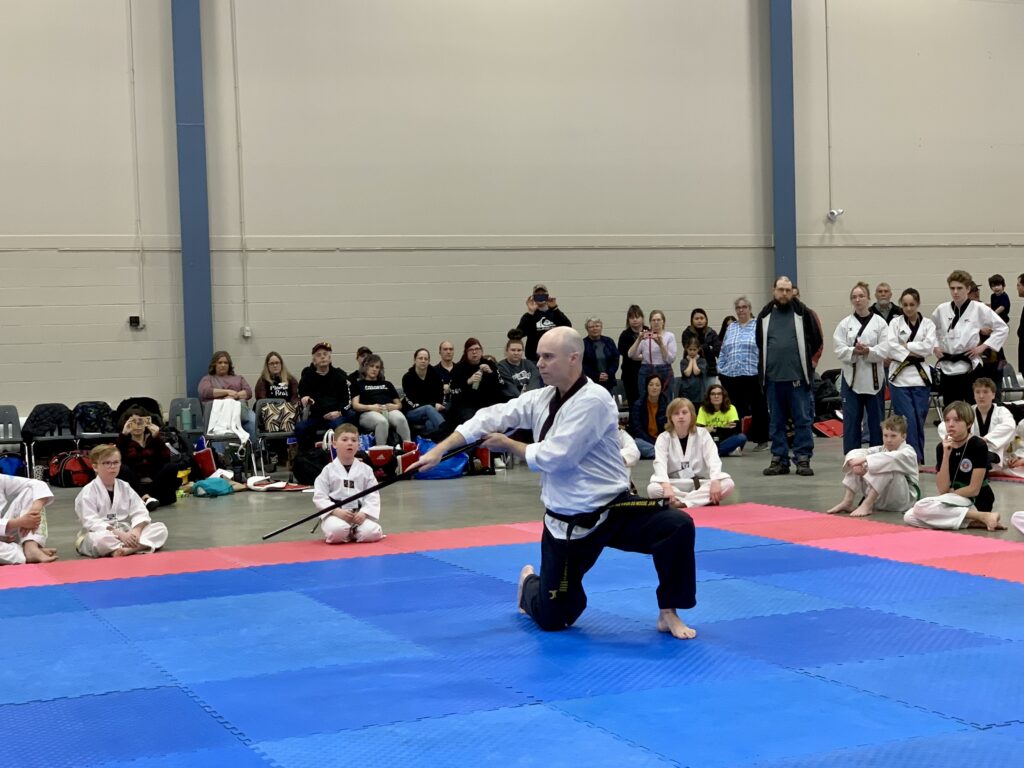
Douglas Martial Arts offers Taekwondo along with specialized weapons training, including Bojutsu techniques using the traditional staff and Saijutsu.
Nathan became Canada’s first certified American Style Bojutsu instructor in December 2017.
Weapons training, he said, gives students an entirely different challenge.
“I once had a student tell me that learning the Bo felt like learning to use a third limb,” Douglas said. “I thought that was a really accurate way to describe Bo training.”
Many students begin with Taekwondo before discovering weapons training and another whole area of martial arts to explore.
“It’s a whole new rabbit hole to delve into for many students,” he said.
Douglas Martial Arts has also incorporated technology into its teaching through what it calls Smart Training Manuals.
Rather than relying solely on students remembering everything demonstrated during class, the manuals provide structured guidance for practising at home. QR codes throughout the manuals link students directly to instructional videos produced by the school.
“Students never need to wait for the next class if they want a quick refresh on a technique or form,” Douglas explained. “They can just pull out their phone and scan the code.”
It is a modern addition to a martial art built on centuries-old principles: practise, improve, repeat.
Yet perhaps the strongest part of the Douglas Martial Arts story isn’t found in a manual or even on the training floor. It’s found in the relationships.
Parents train alongside their children. Brothers and sisters take classes together. Students become friends. Young students eventually become instructors. Families who may have entered the building knowing nobody gradually become part of a larger community.
For Douglas, that connection to Moose Jaw is important.
“Sarah and I have built our lives here and our school is very much a part of that,” he said. “We’ve always wanted our school to be a place that serves the community,” as well as a place where you can leave the pressures of everyday life behind for an hour.
“We want our school to be a place where someone can walk through the doors, forget about a possibly rough day they’ve had and just enjoy the time with their friends and family while they train.”
That may ultimately explain the title What We Build better than anything else.
A martial arts school obviously hopes to produce capable martial artists. Students should learn proper technique, develop discipline and progress through their training. But years later, few people will measure the experience solely by how high they could kick or how many belts they earned.
They may remember the first time they had enough confidence to demonstrate a technique in front of the class or an instructor who refused to let them give up. They will remember friendships made and how they became an encouraging person rather than timid.
Douglas hopes Moose Jaw residents see that message when they watch the film.
“I hope people see that martial arts involve so much more than just kicks and punches,” he said. “It can be where kids develop confidence, where a teenager can learn to be a leader, and where parents can bond with their children while learning a new skill.”
And ultimately, Douglas is quick to give the credit for what has been built to the people who fill the school.
“It’s our students, families and instructors who created this wonderful community of good humans.”
For a martial arts school, that’s probably the most important achievement of all.
You can view the short film What We Build at https://youtu.be/GNS0RaAAGDk and you can learn more about Douglas Martial Arts at: