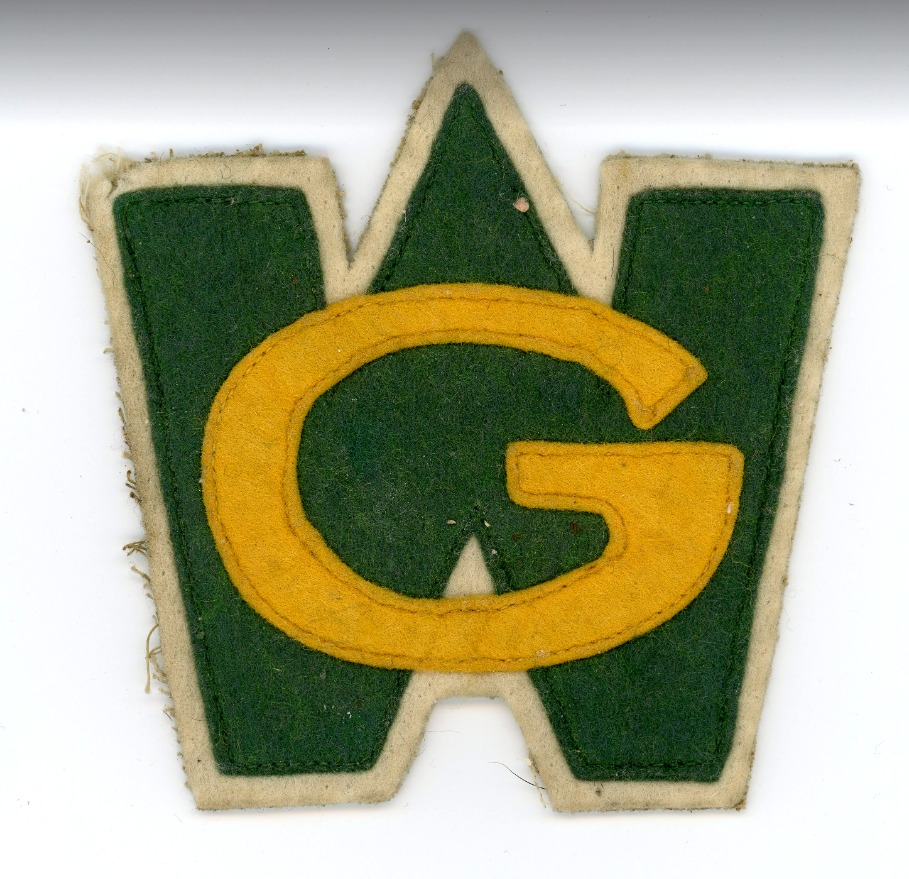
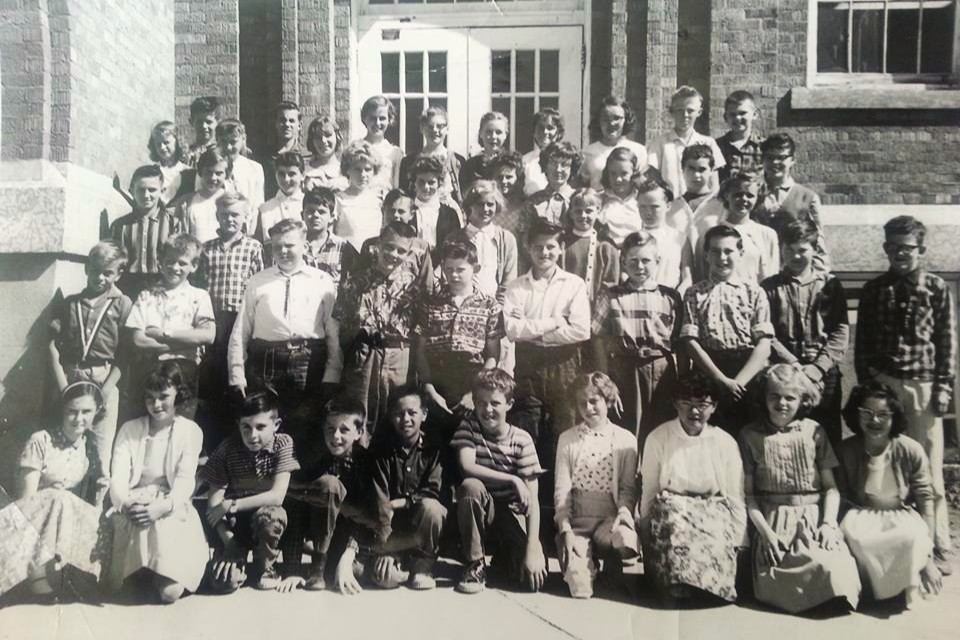
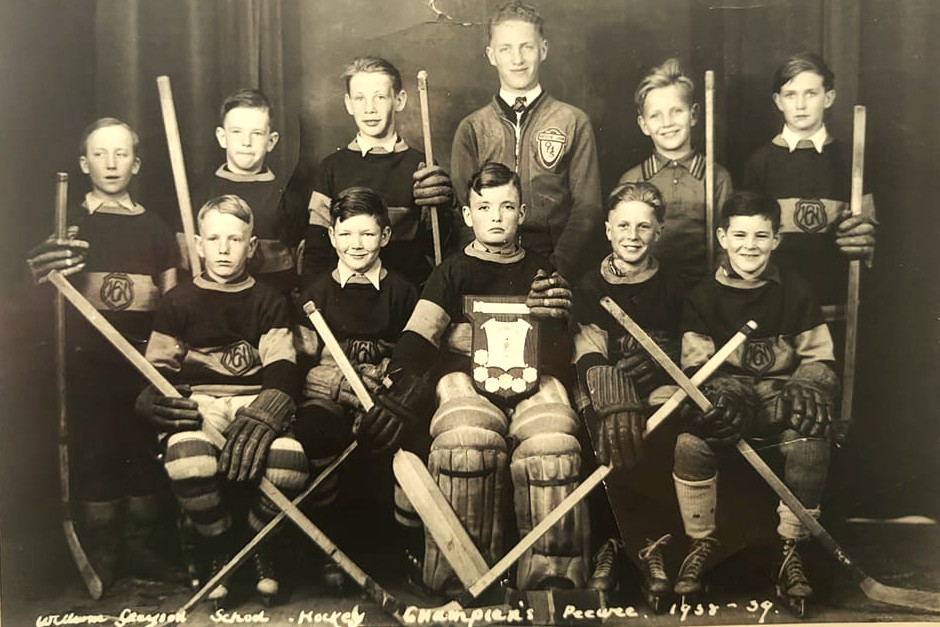
One hundred years after first opening its doors, William Grayson School was celebrated on Oct. 2 for its century of educating the community and for the pioneer whose name has defined it.
A pioneer remembered
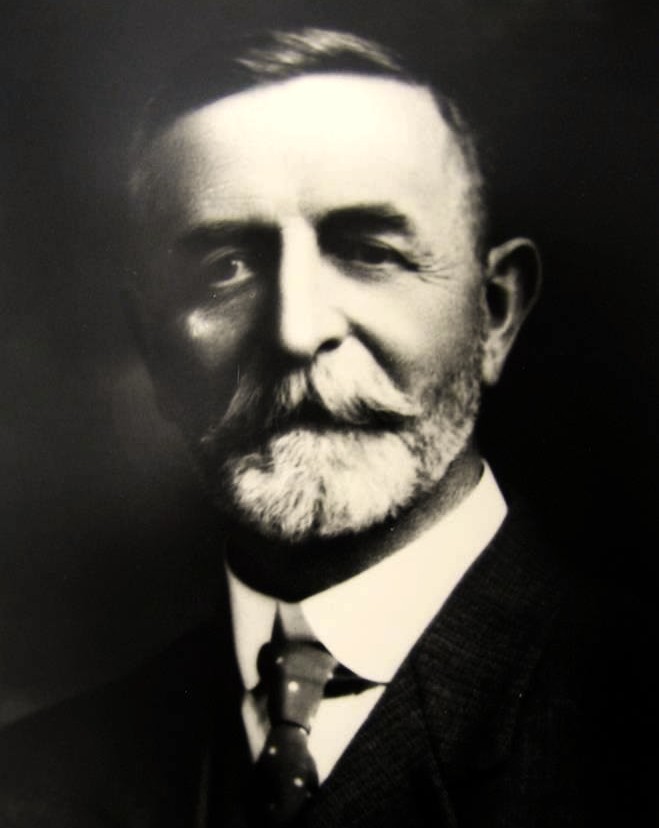
William Grayson was born in 1856 in Yorkshire, England, before moving with his family to Ontario. He studied law at Osgoode Hall in Toronto and was called to the bar in 1883, the same year he arrived in Moose Jaw to begin practising law in what was then a frontier settlement.
He quickly became a central figure, founding what is now Grayson & Company Law Firm, serving as mayor in 1903, and later acting as Crown prosecutor and public administrator. His deepest imprint was on education, with decades served on local school boards, including 30 years with the Central Collegiate Institute board and 20 as chairman of another.
In 1900, before Moose Jaw had a public library, Grayson donated a front room in the Liberal Committee’s downtown office to the Library Association. That modest space became one of the city’s earliest reading rooms, later moved to City Hall and operated by The Ladies of the Reading Room. These efforts laid the groundwork for the Moose Jaw Public Library, which opened on Aug. 15, 1913.
In 1925, Grayson laid the cornerstone for the new school that would carry his name — a gesture reflecting both his civic stature and his lifelong commitment to education. He died the following year at age 70.
Family legacy
Grayson married Ellen Babb in 1885, and together they raised eight children. Their daughter, Ethel Kirk Grayson, went on to become a noted Canadian writer and educator.
The family home also left its mark. Built in 1911 to 1912 at 30 Stadacona Street West, “Grayson House” was a 22-room residence featuring oak panelling, decorative fireplaces, and even an early central vacuum system. Today, the building houses Fifth Avenue Collection and its character continues to fascinate residents.
One former newspaper carrier, Rita Adamache, recalled delivering papers to the mansion as a child: “I remember it had a beautiful oak curved staircase … I used to look at that (Chinese urn) and wonder how much it cost. I would walk down the curved stairway and think I was a movie star!”
A century in the classroom
Today, the school at 823 Caribou Street West serves about 160 students from pre-kindergarten to Grade 8, supported by 25 staff under the Prairie South School Division.
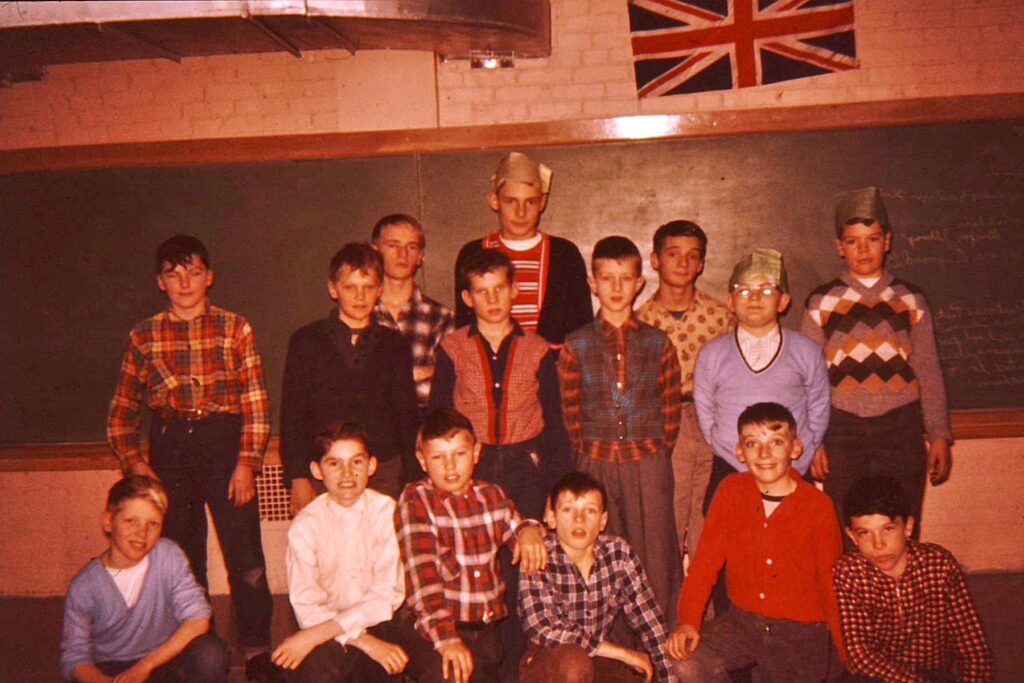
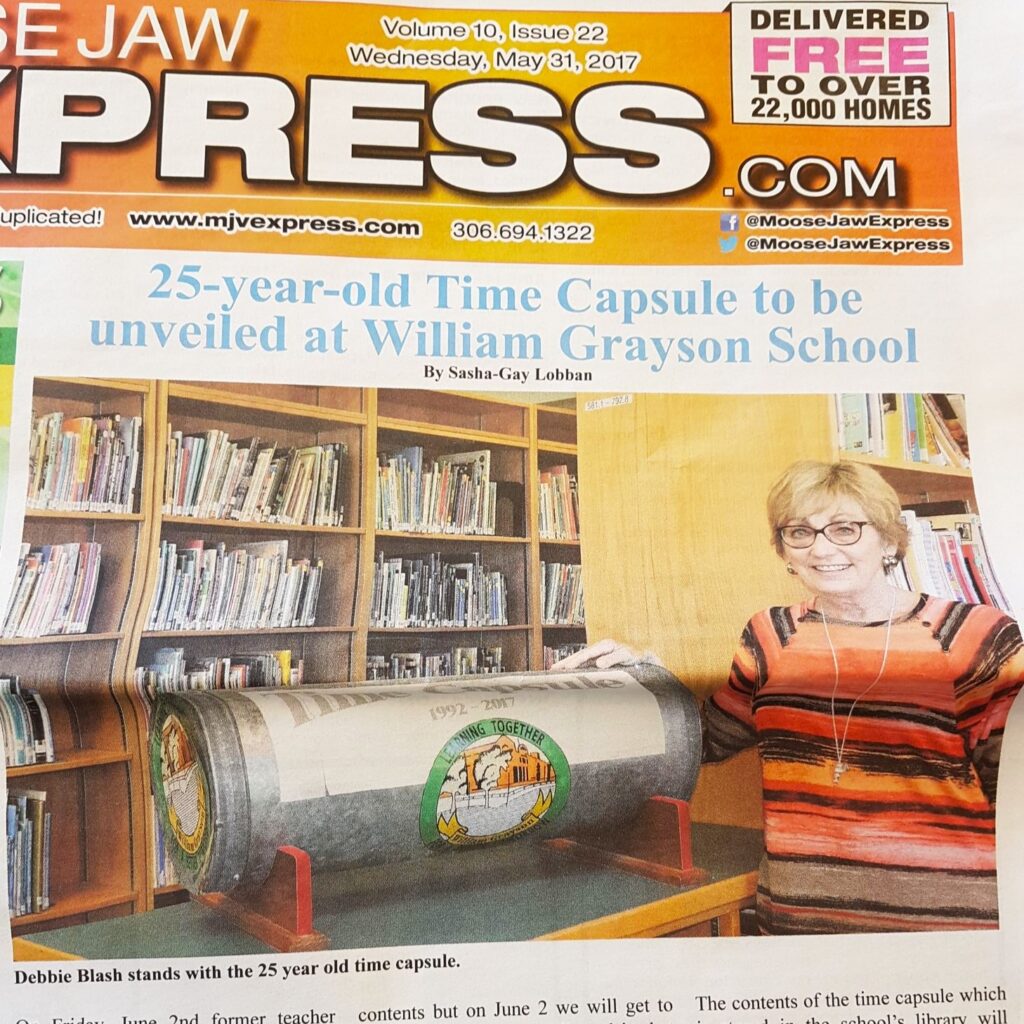
The building has evolved, but its spirit remains constant. In 2017, students and staff including former student and teacher Carol McDonald opened a time capsule with artifacts preserved by earlier generations. Alumni continue to share fond memories of schoolyard traditions.
William J. Nichols recalled spring recess on “a little knoll” with “territory to be fought over.” Marbles, skipping, hopscotch, and double-Dutch — “until I fell on my head,” he noted — were common.
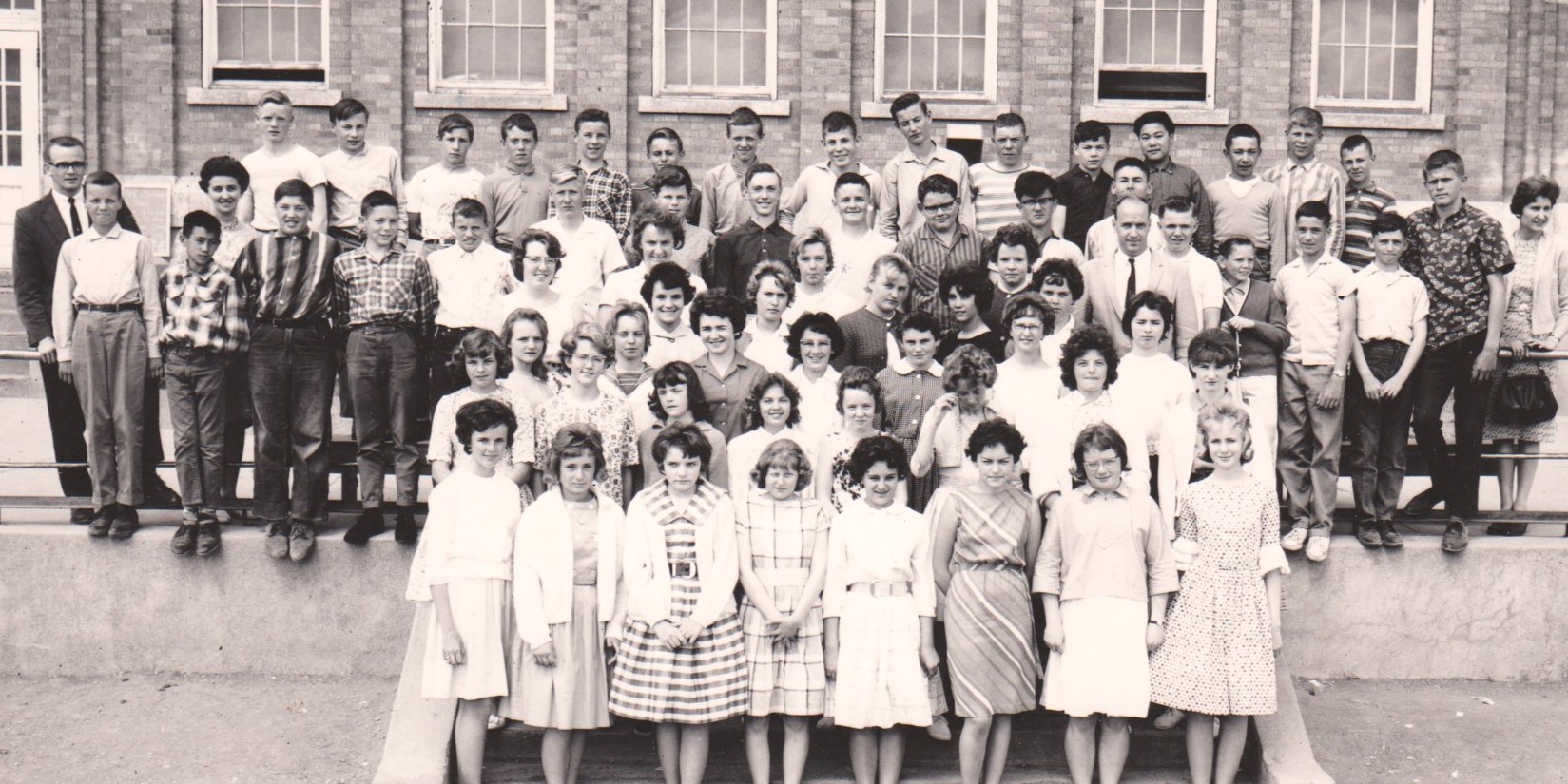
Barbara Anne Mills, who attended Grades 6 to 8 from 1960 to 1963, and fellow alum Ginger Anne recalled teachers Miss Roycroft, Mr. Cant, Mrs. Bowler, and Mrs. May, with Mr. Snell as principal and Mr. Olafson as vice-principal.
Mary Green Singer, who attended from 1966 to 1973, recalled a favourite teacher, Mr. Kennedy, and a class trip to what is now Tobin Lake, where she caught the largest trout and cooked it over a campfire.
Jennifer Theriault, who attended in 1985, remembered standing for O Canada and The Lord’s Prayer, band at Central, and home economics at Palliser. “It was a good school. I had a lot of fun when I was there.”
Angie Dixon joked that misbehaving students had to stand against the front wall for all to see, while Sheila D. Dixon recalled assisting her kindergarten teacher and later sending her own children to the school.
Some memories reach further back. Don Dickinson shared a story from his father, who attended in the 1930s: “Dad always told me he thought he was going to be an astronaut because all the teachers … told him he was taking up space.”
The consensus of public opinion, John Hawkes wrote in The Story of Saskatchewan and Its People, “accords (William Grayson) a high rank among the leading citizens of Moose Jaw and Saskatchewan as befitting a man who has spent a lifetime in the upbuilding of this section of the Canadian West.”
One hundred years later, William Grayson School continues to carry forward that vision, standing not only as a place of learning for new generations but also as a monument to a pioneer who helped shape Moose Jaw’s civic and educational life.
Aaron Walker
Reporter
Moose Jaw Express